Showing posts with label soups & stews. Show all posts

Saturday, June 3, 2023

Vietnamese Crab and Asparagus Soup (Sup Mang Cua)

Apparently Vietnamese crab and asparagus soup (súp măng cua) is a popular soup eaten on special occasions such as wedding banquets in Vietnam. My parents grew up eating this soup (in Vietnam). My father remembers his older brother, a self-trained chef who owned a catering business would make this delicious soup for weddings and other ceremonial events. Fresh asparagus was not available so he made it using canned ones imported from Taiwan. My father said the asparagus became thin strands when cooked. My mother said her family would make this soup also using canned asparagus. I don't remember ever eating this soup as a child in Vietnam. Perhaps during the war people lacked access to these luxury items. Over the last several decades I have traveled to Vietnam countless times, attended many special events and ate in restaurants all over the country I don't recall eating this soup or seeing it on a menu. Once in Da Lat I was delighted to find a vendor selling fresh but very tall thin asparagus in a market. I bought some to cook for my grandmother. I was disappointed to find that they were tough and inedible.

During the beginning of the pandemic I started a small garden. It wasn't intentionally planned but it turned out to be quite therapeutic, educational and kept me busy during the spring and summer months. In the spring of 2021 my father came and helped me plant asparagus roots, other vegetables and berries. The following spring I planted more asparagus roots and seeds. As some of you may know they take about 2-3 years before they can be harvested. Finally this spring I am able to pick some. Freshly harvested asparagus are delicious--tender and sweet.

In this simple recipe you may use as much asparagus and crab meat as you prefer. My mother picked the scrumptious crab meat from 4 large fresh caught Maine Jonah crabs. If you are not very skilled at picking crab meat you may certainly purchase from a can or already picked meat from a fish market. Some people cut the asparagus in 1/2 to 1 inch pieces. I prefer to slice mine as thinly as possible on a bias. I like to place my whisked egg in a small bag, cut a tiny hole in one corner and while stirring the pot I drizzle the egg in the pot. This will create elongated wispy strands. If you prefer the soup to be thicker then add more cornstarch or tapioca. Be sure to mix it with cool or cold water before you add it to the pot. The Vietnamese people generally make this soup using chicken or pork broth, but not me. I am trying to make a dent in the population of the highly invasive green crabs! I seasoned my soup only with fish sauce. Feel free to garnish with fresh chopped scallions, chopped cilantro and white or black pepper.

    Vietnamese Crab and Asparagus Soup (Sup Mang Cua)
    

Vietnamese Crab and Asparagus Soup (Súp Măng Cua)

Ingredients:

4 cups of Basic Green Crab Stock

 About 1 Tbsp of oil

1/2 small onion or 1 shallot, finely chopped

1 thumbnail size ginger, washed, finely grated, optional

About 8-10 tender asparagus shoots, washed, cut on a bias

Crab meat, about 8-10 oz

1 egg, whisked

Salt or fish sauce to taste

2-3 Tbsp of cornstarch or tapioca starch and 1-2 Tbsp cold water, mix well 

1 scallion, chopped  

Ground white or black pepper, optional

Chopped fresh cilantro, garnish, optional

Method:

Heat a pot with crab broth until it starts to boil then turn the heat to low.

Heat a pan with oil. Add onion and ginger. Saute until onion is soft. Add asparagus and saute until asparagus is soft. Add crab meat and gently saute a few times, try not to break the crab meat into smaller pieces. Add the contents to the crab broth. Turn the heat to medium high. Once the broth is simmering slowly stir in the egg. Season with salt or fish sauce to taste. Add cornstarch or tapioca and water mixture. Add scallions and turn off heat. Sprinkle in pepper and garnish with chopped cilantro and more chopped scallion with each serving if interested.


crab broth, crab meat, asparagus, onion, ginger, and scallion


Wednesday, December 22, 2021

Leek and Green Crab Soup

leek and green crab soup
 

I love eating leek and potato soup. However, this is without the potato and it is equally tasty. If this soup is too thick then add extra stock.

Leek and Green Crab Soup

Ingredients:

4 leeks, halved lengthwise, sliced thinly, washed and drained
About 2 Tbsp olive oil
About 2 Tbsp of butter (salted or unsalted)
1 C heavy cream or half and half
About 1 1/2 to 2 tsp sea salt
 
Method:
 
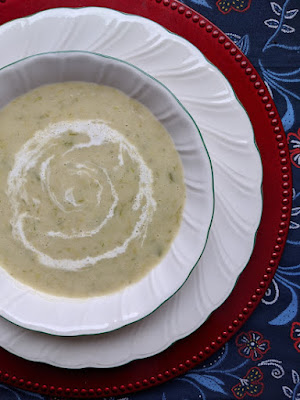
Saute the leek in oil and butter over medium high heat until the leek is tender and soft, about 10-15 minutes. Puree the leek and broth. Heat the mixture in a pot and add cream, season with salt. Whisk well to mix and serve hot. May serve with a drizzle of extra cream if interested.

Leek, Potato, and Green Crab Soup

leek, potato, and green crab soup
 

Recently Dr. Becca Selden, from the Department of Biological Sciences at Wellesley College in Massachusetts invited me for a green crab cooking demo. I made 2 simple soups and both were well received by those who attended. I am glad I left the campus with empty pots! One of them is this leek, potato, and green crab soup using half green crab stock and half chicken stock. I don't like to waste food so if the leek has some greens on it I usually use it for extra fiber and color. If you prefer a thicker soup then decrease the amount of stock use to blend and gradually add more to the consistency you like. It's easier to thin it later. You certainly can make this using all green crab stock.

Leek, Potato, and Green Crab Soup

Ingredients: 

1 large leek or 2 small, cut lengthwise, sliced, washed and drained
1 Tbsp olive oil
1 Tbsp butter (salted or unsalted)
2 large potatoes, peeled and cubed
2 C chicken stock
1 C heavy cream or half and half
About 1 to 1 1/2 tsp salt 

Method:

Saute leek in oil and butter over medium high heat until the leek is tender and soft, about 10-15 minutes. Boil the potato in chicken broth until fork tender. Puree leek, potato, chicken broth, and crab stock to the smoothness that you prefer. Add cream, season with salt, and cook at medium low heat until everything is heated through. Whisk to blend. May garnish with a drizzle of cream, a pinch of ground black or white pepper, chopped chives, or anything you prefer.

Saturday, December 18, 2021

Butternut Squash and Green Crab Soup

butternut squash and green crab soup

It has been a long time since I posted anything on this blog. I am still working full-time as a family nurse practitioner at the clinic seeing patients. Despite the long hours I managed to stay healthy perhaps due to eating a copious amount of green crabs! 😃

Recently Dr. Becca Selden, from the Department of Biological Sciences at Wellesley College in Massachusetts invited me for a green crab cooking demo. I made 2 simple soups for the students and faculty to try. I was pleased and impressed to see so many students excited about eating green crabs! One of the soups was a butternut squash and green crab soup. I made it using coconut milk instead of dairy in case anyone was lactose intolerant. Luckily no one there had any food allergy or issues which made me very happy.

Butternut Squash and Green Crab Soup

Ingredients:
 
1 butternut squash (about 2 1/2 to 3 lbs)
Olive oil 
1 head of garlic
1 small white or yellow onion
3 1/2 to 4 C Basic Green Crab Stock (see recipe below)
1 C coconut milk
About 1/2 tsp salt to taste
About 1/2 tsp white or black pepper to taste
Coconut Drizzle (see recipe below) 

Method:

Peel and cut the butternut squash in half. Remove and discard the seeds. Slice the squash about 1/2 inch thick. Line in a single layer on a cookie sheet and drizzle with a little olive oil. Wrap the whole garlic in foil (may drizzle with oil if interested). Roast the squash and garlic in a preheated oven at 400 degrees F until the squash is fork tender, about 25-30 minutes. May broil for the last 5-10 minutes if interested. Peel and dice the onion. Saute the onion in a little olive oil until translucent and soft. Puree the roasted butternut squash, roasted garlic, sauteed onion, broth and coconut milk. Heat the pureed mixture until hot. Season with salt and pepper to taste. Whisk well to blend and serve hot with some coconut drizzle (see recipe below).


Coconut Drizzle

Ingredients:
 
Approximately 1 Tbsp of cornstarch 
Approximately 1 Tbsp water 
1/2 C coconut milk
Pinch of salt

Method: 

Mix the cornstarch and water until well blended. Cook this with coconut milk and salt. Whisk to blend. Drizzle over the butternut squash and green crab soup to garnish.


I have posted a few green crab stocks with ingredients besides green crabs and water. This particular basic stock is made with just 2 ingredients, green crabs and water. When I make my stock I avoid adding salt unless I plan on using it immediately. You can make any stock as concentrated as you prefer. If you make a concentrated stock then you will need less water, which to me means less storage space in the refrigerator or freezer. In general my green crabs to water ratio is about 15 crabs for 2-6 cups of water. These green crabs vary in size so my water will depend on this and how concentrate I prefer. Don't be afraid to experiment. Most of the time I clean the crabs, crush them and add water. I don't focus on any particular crab to water ratio and I hope you don't either. You may check out these posts: How to Process Green Crabs Humanely, How to Prepare Green Crabs for Making Stock, Simple Green Crab Stock, and Green Crab Stock For Chowders.

Basic Green Crab Stock 

Ingredients:

Crabs
Water

Method:  

Remove the carapace, gills, apron and mouth from each crab. Wash well in cold to remove all the mud and sand. Crush the crabs, put them in a large pot and add water. Boil gently and stir occasionally for about 25-30 minutes. Strain right away or let it cool and strain. Before using may add more water if the stock is too concentrated for your taste. May compost the shells.

Monday, November 2, 2020

Quick Green Crab Noodle Soup

This quick green crab noodle soup is made using Basic Rehydrated Green Crab Stock. You can also use other stocks (Simple Green Crab Stock or Green Crab Stock for Chowders) that I have on this blog. This noodle soup recipe is made for 1 portion but may be adjusted to double or more. This dish is versatile and easily adaptable, use what you have or prefer. Let your imagination and food preference dictate what you add to this soup.

quick green crab noodle soup


Quick Green Crab Noodle Soup

Ingredients:

1 bunch of fresh egg noodles
Approximately 2 cups of green crab stock
Some ground pork (amount depending on your preference)
1 handful of fresh watercress, washed well
1-2 dried baby sugar kelp, cut into approximately 1-inch lengths
Fish sauce to taste
Some chopped fresh cilantro leaves
Some chopped scallions

Method:

Blanch the fresh egg noodles for a few minutes to cook and soften, strain, and place in a large bowl. Heat the stock with the meat. Once the meat is cooked add the vegetables. Season with fish sauce. Once the vegetables are just wilted remove from heat and pour over the noodles. Garnish with cilantro and scallions.

Helpful Hints: 

Here are a few ingredients that I like to add to this type of noodle soup.

Noodles: Egg noodles, bean thread glass noodles, rice noodles.

Vegetables: Watercress, spinach, stinging nettle, lamb's quarter, bok choy, fiddlehead, ramp, sprout, seaweed, asparagus, bean, pea, carrot, daikon, mushroom.

Protein: tofu, egg, seafood, meat.

Garnish: herbs, scallions, microgreens, fried shallots, fried garlic, pickled radish, pickled mustard greens, chili peppers.

Thursday, June 11, 2020

Stinging Nettle Potato Soup

Recently I discovered stinging nettle growing wildly here in New Hampshire. I have heard about these nutritious plants but I have never encountered them in the wilderness. Be sure to harvest them with gloves and proper harvesting clothing (i.e., pants, socks, closed shoes, long-sleeved shirt, and etc.) as they do sting! Please eat only wild plants that you can positivity identify. If you have any health problems or are taking any medicines (prescription, over-the-counter or herbal supplement) please consult with your health care providers before eating any wild edible plants.

You can drizzle a little cream or coconut milk to this soup if interested. If you do not have or prefer not to use fish sauce then just add more salt or chicken bouillon to season this soup. For this recipe, I double my Basic Rehydrated Green Crab Stock. For a faster way to cook potato, slice it as thinly as possible.
 
stinging nettle potato soup
Stinging Nettle Potato Soup

Ingredients:

Basic Rehydrated Green Crab Stock (double the recipe)   
1 large russet potato, peeled and sliced thinly, rinsed and drained
2 large handful of stinging nettle tips, washed well and drained
1 tsp fish sauce
1/2 tsp salt
Chives flowers and leaves, garnish (optional)

Method:

Make the crab broth, strain, and reserve the broth. In a medium-sized pot add the potato and cook until soft, drain the liquid. Add the crab broth and stinging nettle tips to the cooked potato, cook for 2-3 minutes. Season with salt and fish sauce. Turn off heat and let everything slightly cool before pureeing or blending everything. Garnish with chive flowers and chopped leaves.

stinging nettle
stinging nettle field

Basic Rehydrated Green Crab Stock

This basic green crab stock or broth is made from dried green crabs. Increase or decrease the ratio of ingredients to make more or less stock. You may add more crabs if you prefer a more concentrated broth. Before adding the dried crabs in the water you may crush them further using a mortar and pestle or a rolling pin to extract the most flavor out of them. This stock is very basic. You may add extra ingredients such as dried squid, dried shrimp, bonito flakes, animal or fish bones, seaweed, mushrooms, onion, scallions, ginger, cilantro stems/roots, carrots, parsnip, daikon, and celery for more flavors. I generally do not season my stock or broth as I will add it later in the final stage of cooking. My seasoning includes one or several of these ingredients; salt, fish sauce, soy sauce, fresh or dried beef, chicken, or mushroom stock. 

dried green crab stock
  
Basic Rehydrated Green Crab Stock

Ingredients:

2 cups of water
1/4 cup dried green crabs

Method:

Heat these two ingredients until the water comes to a boil. Turn heat down to a simmer for 20-25 minutes. Strain and discard the shells.

Wednesday, April 29, 2020

Dried Green Crabs

The idea of drying green crabs has been an interest of mine since I started crabbing. I wanted to store the crabs at room temperature instead of freezing for longer shelf life, and not have to rely on electricity or a freezer. The dried crabs can be simmered in water to make a nice broth or sauce. From a recent experiment, I learned that crushing frozen prepared green crabs is less messy. It is best to crush the crabs well. The smaller the bits the faster they will dry. It is very important the crab bits are completely dried to prevent mold growth. After 4 hours at 200 degrees F if your crab bits are not completely dry then bake longer at 200 degrees F. When you are ready to use crush them a little more to extract as much flavor as possible out of them.

Please view How to Prepare Hard-Shell Green Crabs post to process these crabs prior to drying. It is not necessary to remove the roe or the distal pointy legs. The roe will add extra flavor for your broth or stock.

dried green crabs

Dried Green Crabs

Ingredients:

Green crabs, prepared (fresh or frozen), crushed

Method:

Crush the prepared green crabs, spread the crab bits on a cookie pan thinly. Bake at 450 degrees for 30 minutes, then 200 degrees F for 4 hours or until dried. Once cooled store in a glass jar or an airtight container.

Wednesday, April 15, 2020

Miso Soup

I hope all of you are staying healthy and safe during this coronavirus pandemic. I have been meaning to post a miso soup recipe on this blog but have not had a chance until now. This miso soup is delicious and I contribute this to the savory broth made from no other than the invasive green crabs! If you have green crab stock in the freezer you may use 5-6 cups for this recipe. You may use Simple Green Crab Stock but triple that amount to yield 6 cups. This time I made this broth with just crushed crabs and water. I also discovered that crushing the frozen prepared crabs in a bag with a rock outside is a lot less messy and smelly versus thawed or fresh ones! You may use dried seaweed if you do not have any fresh or frozen. However, start by hydrating a small amount of dried seaweed as they will expand and add more only if needed. Always rinse your dried store-bought seaweed with water before using it.

miso soup
Miso Soup

Ingredients:

About 10 oz of prepared crabs, crushed
6 cups of water
3-3 1/2 Tbsp of miso
16 oz firm tofu, cut into small cubes (size depending on your preference)
3 oz fresh or frozen baby sugar kelp, cleaned and cut into bite-size (about 1-inch pieces)
1-2 scallions, green parts only, chopped

Method:

Simmer crushed crabs in water for about 25-30 minutes. Remove from heat and strain, reserve the broth. Wash the pot or use another clean pot. Add the strained broth in the pot and turn heat up to a simmer. Add miso and dissolve it. After the miso has dissolved add the rest of the ingredients. It will be done once the tofu cubes have been heated through.

Sunday, January 19, 2020

Hu Tieu (Teochew Noodle Soup)

Hủ tiếu (Teochew noodle soup) is a popular noodle dish found in Soc Trang and other Mekong Delta region of Vietnam. Similar noodle dishes can be found in other Southeast Asian countries such as Cambodia and Singapore where there are large communities of Teochew descendants. In my family, we eat this soup at any meal and any day of the week. It can be eaten dried or wet. The dried noodles are cooked, seasoned, placed in a bowl and served with a smaller bowl of hot broth next to it. The wet soup (as seen in this recipe) is eaten with the broth poured over the entire contents in the bowl and served hot. 

The clear flavorful sweet broth is typically made from pork bones with the addition of salted dried daikon (sai pau), fresh daikon, dried shrimp and/or dried squid. The noodles can be wonton noodles, a mixture of wonton noodles and/or rice noodles and/or wonton dumplings. The toppings can range from just a few to multiple items such as pork ribs, ground pork (but can be turkey or chicken), pork belly slices, pork slices, pork offal (such as liver) slices, fried tofu slices, boiled/steamed peeled whole shrimp, pork balls, fish balls, shrimp balls, fish cake slices, squid, crab meat, boiled quail eggs, chicken eggs, any green leafy vegetables (such as lettuce), chopped salted daikon, bean sprouts, Chinese chives, scallions, cilantro, fried garlic and/or fried shallots. The noodles are generally served with extra vegetables, chili, ground pepper, fish sauce and a wedge of lime on the side.

For this recipe, I used what I have available. I made my umami broth using a mixture of green crabs and a turkey carcass, salted daikon, fresh daikon, and carrot. The toppings consisted of fried tofu, blanched watercress, mushrooms, boiled peeled whole shrimp, bean sprouts, cilantro, scallions, and fried shallots.

I purchased the fresh noodles from Lo's Seafood and Oriental Market in New Hampshire. It is a Hong Kong-style wonton noodle (thick type), each container makes 4 bowls. These noodles taste just like the ones I remember eating in Soc Trang, Vietnam.

Hu Tieu
Hủ Tiếu (Teochew Noodle Soup)

Ingredients:

1 recipe of Hủ Tiếu Broth (recipe below)
1 package of store-purchased Hong Kong-style wonton noodles (wider or thicker strands)
1 container of store-purchased fried tofu, squeezed out the liquid and sliced thinly
12-16 peeled whole shrimp (about 3-4 shrimp per bowl), boiled until just cooked
1 bunch of watercress, blanched until slightly wilted
1 bunch of mushrooms (such as enoki), blanched until slightly wilted
2 handful of bean sprouts
Cilantro, chopped, garnish
Scallions, chopped, garnish
Fried shallots, garnish
Fish sauce (extra seasoning)
Chili peppers (extra seasoning)
Lime or lemon wedges (extra seasoning)

Method:

Dip the small batch of noodles in hot water for about 10-15 seconds. Rinse with water to remove some of the starch. Strain and add to a large bowl. Garnish with 2-3 tofu slices, 2-3 shrimps, some watercress, mushrooms, and bean sprouts. Ladle the hot broth over the bowl. Remove some broth and return it into the pot and add more new hot broth back into the bowl. This will keep the contents in the bowl hot. Garnish with cilantro, scallions and fried shallots. Serve the bowl with extra fish sauce, some lime wedges, and chili peppers.

Hủ Tiếu Broth (makes about 14-15 cups or enough for 4 large bowls)

Ingredients:

16 cups water
1 turkey carcass
1 lb processed green crab
2-3 young kelp (fresh, frozen or dried)
1 piece (about the size of your largest finger) of dried salted daikon
1 white or yellow onion, chopped
1 thumb-sized ginger, sliced and slightly bruised
2 large garlic cloves, smashed
1 carrot, cut into roughly 2-inch pieces
6-inch piece daikon, cut into roughly 2-inch pieces
About 3 Tbsp fish sauce (to taste)

Method:

Heat the entire contents minus the fish sauce in a large pot, partially cover. Once the liquid comes to a boil, turn the heat down to a simmer for about 1 1/2 hour. Strain and save the broth. Season the strained broth with fish sauce.

Helpful Hints:
  • If you live in seacoast New Hampshire there is an Asian store called Lo's Seafood and Oriental Market located at 1976 Woodbury Avenue, Portsmouth, New Hampshire. The people working there are very friendly and helpful. For a small place, they carry a large inventory of Asian ingredients. I purchased watercress, bean sprouts and wonton noodles from them. 
  • When you peel the shrimp, leave about half an inch of the last part of the tail unpeeled. This makes for a better presentation. Remove and discard the intestines.
  • Avoid covering the pot when making the broth as it will yield a cloudy looking broth. You may season the broth with a combination of fish sauce and salt if interested.

Monday, September 30, 2019

Green Crab Stock For Chowders

green crab stock for chowders

Green Crab Stock For Chowders (makes about 4 1/2 cups)

Ingredients:

15 prepared green crabs
6 C water
3 young kelps (dried or fresh)
About 10 cilantro stems and 2 cilantro roots
1 small yellow or white onion, peeled, quartered or diced
3-4 slices of ginger, bruised
2 garlic cloves, smashed

Method:

Prepare each crab by removing and discarding the carapace, apron, and gills. Scrub the crabs in a little salt and rinse in cold water, let them drain. Crush the crabs (the finer the crabs are crushed the more flavors the result). Place the crab in a pot and add water, kelp, cilantro stems, cilantro roots, onion, ginger and garlic. Turn the heat to high. Once the liquid starts to boil turn the heat down to a simmer and cover the pot. Simmer for about 30 minutes. Strain and save the liquid for cooking.

Friday, September 27, 2019

Rice and Fish Soup (Chao Ca)

rice and fish soup (chao ca)
I grew up eating rice porridge or soup, sometimes refers to as congee, known in Vietnamese as "cháo" or in Teochew as "mue". Sometimes it is simply cooked with just a little rice and lots of water and we (my family and I) would eat this along with salted duck eggs, Teochew omelets, pickled greens or radishes, and/or some salty dishes. Other times it is made with seafood, poultry or meat for a more substantial meal. We consume these soups anytime throughout the day or when we are ill. Many years ago when my husband fell ill after visiting Cambodia my mother made rice soup with ground pork for him to restore his health when we saw her in Vietnam. One time, in between jobs, I stayed with my late grandmother for 3 months in Vietnam. I made her a similar rice and fish soup but with chicken stock. I bought a whole snakehead fish, a popular local fresh water fish at the market. After scaling and gutting it I placed the entire fish in the pot to cook. I removed the fish once it had been cooked, separated the flesh and returned it to the pot. My grandmother complimented that it was very tasty and ate 2 bowls that night. Normally she would eat only 1/2 a bowl of plain rice soup with a small piece of fermented bean curd, a salted olive-like seed or half a salted duck egg in the evening.

For this recipe instead of the green crabs I used Asian shore crabs that I hand-harvested from coastal New Hampshire. They are also an invasive species found in this region of the US but are smaller than the green crabs. The largest I caught measured about an inch across the carapace. These have lots of eggs so my soup has a beautiful yellow orange hue. If you substitute green crabs in this recipe you may use 15-20 adults as they are larger.

Recently I was at the dock crabbing and came across Capt. Ralph and his son docking after a day out at sea. He generously gave me a bag of haddock. Thank you, Capt. Ralph! I ate half that evening and the other half I froze. I thawed them for this recipe as haddock is a great chowder fish. Use as much fish as you prefer. You can use either cooked or uncooked rice. Typically I use leftover rice to make this soup--a way to use old rice and decrease cooking time.


rice and fish soup (chao ca)
Rice and Fish Soup (Cháo Cá)

Ingredients:

45 Asian shore crabs, crushed (the finer the better)
10 cups water
1 yellow or white onion, sliced or chopped
3 dried or fresh young kelp
1 thumb sized ginger, sliced, chopped or julienned
2 garlic cloves, smashed
About 5 sprigs of cilantro stems
1/3 cup uncooked rice
About 1 to 1 1/2 lbs of haddock or cod
1 Tbsp fish sauce
1/4 cup chopped scallion
Chopped fresh chives or scallions, garnish
Chopped fresh cilantro leaves, garnish
Fried shallots, garnish
Freshly ground black or white pepper, garnish

Method:

Place the crushed crabs, water, onion, kelp, ginger, garlic and cilantro in a large pot. Simmer for about 30 minutes. Scoop out any yellow orange bits (a combination of meat and roe) that float to the top and reserve for the later.

After 30 minutes, strain the broth into another pot. Add rice to the broth. Cook until the rice is soft and enlarged (takes about 30 minutes for uncooked rice). After about 15-20 minutes of cooking add the fish. Once the fish is cooked (it will flake off easily) remove it and separate it into pieces (however small or large you prefer) of flesh and return the pieces back to the pot. Add the yellow orange bits to the pot. About 5 minutes before done add scallion and season with fish sauce.

Serve hot and garnish with chives or scallion, cilantro leaves, fried shallots and ground pepper.

Monday, April 22, 2019

Coconut Clam Chowder

This chowder is inspired by Chef Raj, co-owner of the Tulsi Indian Restaurant in Kittery and Tulsi North Indian Restaurant in Wells, Maine. My husband and I met him one evening at the Kittery location. When he speaks about cooking and eating you can imagine that he will serve you only high quality and flavorful foods--the kind that will certainly wake your senses! He hailed from a coastal region near Mumbai, India and eventually made his way to a small coastal town in Maine. In his former home village, some people would roast a coconut to make a seafood soup. I don't have access to whole coconuts and roasting would take some extra time which I lack. For simplicity my soup is made from canned coconut milk and already ground spices...perhaps not the best ingredients but they will have to do for now!

The crabs came from Dr. Bradt who purchased them from Maine fisherman, Everett Leach. The clams came from my local market. You may shuck the clams while they are fresh. However, I find that steaming them for just 5 minutes makes for a convenient and easy job to remove the clam meat and save the broth. I purposely saved the washed cilantro stems and roots in the freezer for these types of soups or stews.

Thank you Chef Raj, Dr. Bradt and Everett for this simple but tasty chowder!

If you are in Kittery or Wells, Maine and are hungry for some delicious Indian food you may want to check out these restaurants!  
http://www.tulsiindianrestaurant.com/
https://www.tulsinorth.com/

coconut clam chowder
Coconut Clam Chowder

Ingredients:

About 1 to 1 1/2 Tbsp neutral oil (such as vegetable)
1/3 C chopped white or yellow onion
2 garlic cloves, peeled, grated or minced
1 large potato, peeled, diced
1/2 tsp cumin powder
1/2 tsp coriander powder
1/2 tsp turmeric powder
1/2 tsp Madras curry powder
1/2 tsp cayenne powder
4 1/2 C Green Crab Stock For Chowders (see recipe below)
3 1/2 C Clam Stock (see recipe below)
1 can (13.6 oz or 403 mL) unsweetened coconut milk
About 2 Tbsp dried seaweed, cut and rinsed
1 1/2 C (or 7 1/8 oz) chopped steamer clams
2 Tbsp chopped fresh scallions
2 Tbsp chopped fresh cilantro
2 Tbsp fish sauce
1 tsp chicken stock powder

Method:

Heat a large pot over medium high heat. Add onion and saute until the onion is soft. Add garlic,  potato, cumin, coriander, turmeric, curry and cayenne powder. Saute about 3-4 minutes to blend the spices and to help soften the potato. Add green crab stock and clam stock. Cook about 10-15 minutes or until the potato pieces are soft. Shake the coconut milk to blend and pour it through a strainer into the pot (to prevent any lumps). Add seaweed. Turn heat to high and once the liquid starts to boil turn the heat down to medium and let it boil for about a minute. Turn heat down to a simmer and add clams, scallions, cilantro and season with fish sauce and chicken stock powder. Turn heat to low once the clams are thoroughly heated. Serve hot with crusty bread. May add extra cayenne or freshly ground white pepper if interested.

Helpful Hints:

*You may omit the cayenne powder if you prefer non-spicy.
*It is best to buy small quantity of ground spices as they do not have a long shelf life.
*2 1/2 pounds of steamer clams yield about 7 1/8 ounces (about 1 1/2 cups) of clam meat.

green crab stock for chowder
Green Crab Stock For Chowders (makes about 4 1/2 cups)

Ingredients:

15 prepared green crabs
6 C water
3 young kelps (dried or fresh)
About 10 cilantro stems and 2 cilantro roots
1 small yellow or white onion, peeled, quartered or diced
3-4 slices of ginger, bruised
2 garlic cloves, smashed

Method:

Prepare each crab by removing and discarding the carapace, apron, and gills. Scrub the crabs in a little salt and rinse in cold water, let them drain. Crush the crabs (the finer the crabs are crushed the more flavors the result). Place the crab in a pot and add water, kelp, cilantro stems, cilantro roots, onion, ginger and garlic. Turn the heat to high. Once the liquid starts to boil turn the heat down to a simmer and cover the pot. Simmer for about 30 minutes. Strain and save the liquid for cooking.

steamer clams
Clam Stock (makes about 3 1/2 cups)

Ingredients:

About 2 1/2 lbs fresh steamer clams
2 C water

Method:

Soak the clams while you scrub them. Rinse them in cold water and drain. Remove and discard any broken or dead clams. The dead ones will have an unpleasant smell. Cover the pot and steam the clams in 2 cups of water for about 5 minutes or when the clams just open up. Turn off heat and remove the lid. Once the clams are cooled remove and discard the skin on the neck and the siphon tips. Rinse the clams in its stock. Strain and save the clean liquid. Chop the meat and reserve.

Thursday, December 13, 2018

Seafood and Kimchi Soup

My mother made this soup while she stayed with me during my recovery. She placed the partially thawed prepared green crabs in a few clean plastic bags and crushed them against a cement block using a rock from my garden. She agrees that this method works much better as opposed to crushing them with a blender.


my mother hand crushing the crabs
This soup is made with kimchi that I fermented months ago. They are more sour than the freshly made kind. You may purchase kimchi at your local markets. The mixed seafood package is from my local grocery market and found in the frozen section. Once opened you can rinse them in a strainer and add to the soup. If the mixed seafood has been previously cooked then it does not take long to reheat them. I find that this soup tastes even better the next 1-2 days!

seafood and kimchi soup

Seafood and Kimchi Soup

Ingredients:

1 lb prepared hard shell green crabs (about 20 adult crabs)
7 cups cold water
1 lb seafood mix, rinsed in cold water, strained
About 1 1/2 to 2 cups kimchi (home-made or store bought), cut into bite size
1 container of soft tofu (about 12 oz), cut into bite size
1 scallion, green parts only, chopped or cut into 1/2 or 1 inch lengths
2 Tbsp fish sauce (nước mắm)
1 Tbsp chicken stock powder

Method:

Place the crabs into 2-3 layers of freezer or plastic bags. Pound the crabs until they are crushed. Add a little cold water (about 1/3 of the water), use a spoon to stir the mixture and use a fine strainer to strain the liquid and the fine crab bits into a pot. Repeat 2 more times until all the water has been used up. Please see links below for tutorial assist.

Bring the pot to a boil over high heat. Do not stir. Do not cover the pot. Once the liquid starts to boil the crab bits will float up to the surface in pieces. Let the liquid boils gently for a few minutes (up to about 5 minutes) or until all the pieces are done floating up. Avoid allowing the liquid to boil over. Rinse the seafood mix and add to the pot. Add kimchi, and tofu and stir the pot once. Cook for another 3-5 minutes or until everything is heated through. Add scallions and season with fish sauce and chicken stock powder.


Helpful Hints:

*Please see Vietnamese-Style Crab Stock for a tutorial on how to make the stock for this recipe.
*Please see How to Prepare Green Crab for Making Stock for a tutorial on how to prepare the crabs.
*The 7 cups of water will yield about 6 cups of crab liquid.
*If you are to use a blender to crush the crabs then use only the soft crab bodies. Discard the hard carapace, apron, legs, and claws.

Saturday, August 4, 2018

Vietnamese Crab Noodle Soup (Bun Rieu)

I went to the dock with scientist/researcher, Dr. Bradt and showed her how my modified crab trap works. Luckily it functioned smoothly and I managed to pull up 42 crabs in less than an hour, ranging from 3/4 to 2 1/2 inches. The majority of the crabs were 1 1/2 to 2 1/2 inches. I came home and made this fairly large pot of Vietnamese crab noodle soup known in Vietnamese as bún riêu. This noodle soup is popular and is eaten all over Vietnam. In Vietnam the type of crab used for this special soup is the fresh water crab found in the rice paddies. They are similar in size to the green crabs found here in the Northeast United States. 

The stock or broth (riêu) used in this soup is made using a traditional Vietnamese method by hand crushing the crabs to a pulp. I find that adding a handful of crabs at a time in freezer bags (double bag) and using a heavy object to crush them gets the job done rapidly and helps for fast and easy cleanup later. After the crabs are crushed or pureed then add a little water to the contents, stir to lift out the crab meat and strain out the liquid and the fine meat bits. I repeat this process 3 times to get as much of the meat out as possible. Nowadays many people (in Vietnam) purchase the prepared crabs all ground up.

My mother makes her delicious bún riêu using lobster shells and rock crabs from Maine. Besides my mother and a few of her Vietnamese-American friends in Maine I know of very few others who make this noodle soup from scratch. I think most believe it is too time consuming...even I have had this misconception myself. After making this from scratch the most time consuming is the actual process of cleaning the crabs. I find that trapping and cooking them can be done quickly. 

We eat this bún riêu in a similar fashion as we eat other Vietnamese wet noodles such as the well-loved phở. A bowl is served along with a large platter of fresh herbs and vegetables and a little sauce on the side. A typical platter may consist of finely shredded banana blossom, finely shredded water spinach, bean sprouts, culantro, mint, perilla, Thai basil, Vietnamese mint or balm, lime cut in wedges, and hot chili peppers. If you do not have access to banana blossom or the water spinach then you may substitute them with finely shredded green or red cabbage. I like my bún riêu with a little fine shrimp sauce (fermented shrimp) but it is optional since not everyone likes this flavor. I think the fine shrimp sauce is a little similar to anchovies but much stronger in taste and smell. If you like anchovies then you probably can eat this sauce. When I sit down to eat my bowl of noodles with broth I add a lot of the vegetables from the plate to my bowl of noodles and broth, extra chilis (the hotter the better!), a little of the fine shrimp sauce, a drizzle of fish sauce if needed and a squeeze of lime or lemon juice, then mix it all up and slurp it down while it is piping hot!

My mission, although it may sound far fetched, is to make bún riêu using green crabs a known item in this area of New England! I hope that you will make this and encourage your family and friends to eat green crabs!

bún riêu
Vietnamese Crab Noodle Soup (Bún Riêu)

Ingredients:

Minimum 40-50 adult green crabs (preferably females)
12 cups cold water
3 Tbsp annatto oil (see recipe below)
2-3 large shallots, chopped (about 3/4 cup)
2 large garlic cloves, smashed, chopped (about 1 1/2 Tbsp)
2 scallions (green parts), chopped (about 1/2 cup)
About 1/2 cup uncooked green crab roe and crab mustard
6 peeled whole Roma (plum) tomatoes, quartered length-wise, cored
Fried tofu, 6-8 oz, slices
1 bunch of scallions (green parts only), cut into 1 1/2 to 2-inch lengths
2 tsp salt
1 1/2 Tbsp fish sauce (nước mắm)
3/4 to 1 oz rock sugar (đường phèn)
1 package of rice noodles (bún), cooked as directed on package
Fresh crab meat (optional)

Method:

Follow directions on how to make Vietnamese-Style Crab Stock, but use 12 cups of water to filter out the crushed crabs. Set the crab liquid aside in a large pot over a stove. Do not disturb (no stirring) the pot.

Heat a large pan over medium high heat, add annatto oil. Once hot add shallot, garlic and chopped scallion, saute about 1-2 minutes or until the shallot is soft. Add the roe/crab mustard and saute about a minute. Add tomatoes and tofu, saute about another minute to coat everything and remove from heat. Set aside.

Heat the pot with the crab liquid over medium high to high heat. Do not stir. Let the meat pieces float to the top undisturbed. Turn the heat down a little to avoid the liquid from boiling too hard or boiling over the pot. Skim off any white foam if interested. Once the pieces stop floating to the surface (about 5 minutes) add the sauteed contents to the pot. Stir gently once. Add the 2-inch cut scallions. Season with salt, fish sauce and sugar. Stir gently once more and turn heat to very low and serve hot.

Serve with rice noodles, platter of herbs and vegetables, fish sauce and fermented shrimp on the side.

sauteed shallot, garlic, scallion, roe/crab mustard,
tomatoes and tofu in annatto oil
cook the liquid and fine crab meat until the meat pieces float to the surface
Vietnamese crab noodle soup (bún riêu)
add cooked rice noodle to a large bowl
(there are small and large round rice noodles, purchase the smaller type)
pour the broth with tofu, tomatoes, and crab bits over it

add chilis, fermented shrimp, drizzle of fish sauce
and fresh herbs and vegetables
squeeze some lime
mix and enjoy
bún riêu without crab roe but has extra freshly picked rock crab meat on top
(made with my mother while in Maine) 


a platter with an assortment of fresh herbs/vegetables
(these are the more typical items served along with bún riêu)
may substitute green or red cabbage
for the banana blossom and water spinach

A Platter of Assortment of Fresh Herbs/Vegetables:

Finely shredded banana blossom (known as bắp chuối in Vietnamese)
Finely shredded water spinach (rau muống)
Bean sprouts (gía)
Mint (rau húng)
Thai basil (rau quế)
Green or purple perilla (also known as shiso in Japanese or rau tía tô in Vietnamese)
Culantro (rau ngò gai)
Vietnamese mint or balm (rau kinh giới)
Vietnamese coriander (rau răm)
Lime, cut in wedges (to squeeze a little into the soup if interested)
Hot chili peppers, chopped

Small Sauce Dishes:

A dollop of fine shrimp sauce (mắm ruốc or mắm tôm)
A small amount of fish sauce (nước mắm)

making annatto oil
How to Make Annatto Oil (makes 3 Tablespoons)

Ingredients:

3 1/2 Tbsp oil
1 Tbsp annatto seeds

Method:

In a pan add annatto seeds and oil. Stir the seeds over 1-2 minutes or until the oil turns bright orange-red. Remove the pan from heat and let the seeds steep for about 10-15 minutes. Strain and discard the seeds.

Helpful Hints:

*The total weight of 40 whole crabs for this recipe was about 2.75 pounds. After cleaning them and removing and discarding the carapaces, aprons, and gills and saving the roe in a separate dish the final prepared crab came to nearly 1.5 pounds. You may use more crabs if you have any. For the 12 cups of water this is the minimal amount of crabs that I would use. The crab flavor will decrease with less crabs. 
*My cousin (in Vietnam) known to me as Chế Xìa tells me she makes bún riêu similar way as this method on this post. However, she uses a blender to crush the crab (from the rice paddies) bodies, legs and claws without damaging her equipment.
*This soup should be enough for 4 fairly large bowls.
*The rock sugar can be found in an Asian market. Do not substitute rock sugar with equal amount of granulated sugar. If you do not have any rock sugar then use about 1 teaspoon of granulated sugar.
*As with all of the dishes on this blog, season your food according to yours and your family taste. My general rule of thumb is to season lightly when cooking and then adjust or add extra later for that individual person. If you add too much salt to start then it is quite difficult to remove it later.
*If you like to eat coagulated blood cubes in this soup like I do then you may add them when adding the sauteed contents to the pot at the end. You may purchase the blood in an Asian market. 
*The most expensive items for this soup especially living in New Hampshire would be the herbs and vegetables such as the banana blossom and water spinach. You may substitute with finely shredded red or green cabbage and a few types of easy to find herbs such as Thai basil, mint and cilantro.
*Peel and discard the outer layers (petals) of the banana blossom until you come to the tender tight part. Cut in half, core and slice as thinly as possible and immediately place in a container with cold water and juice from a lime or lemon (or may use about a tablespoon of vinegar). The acid will prevent the slices from turning black once the sap oxidizes with oxygen.
*You do not have to peel or deseed your tomatoes. The skin is a great source of fibers in your diet. However, if you choose to peel them then score the non-stem end of each tomato with a small X or +. Blanch them in boiling water for about 20 minutes or until they start to split down the side. Remove and peel once it is easy and safe (less hot) to handle. Cut into quarters (and core if interested). I prefer not to cook my tomatoes too long because I want to keep its shape in my soup.
*You can purchase the firm tofu, cut to bite size and fry in oil until golden or you can purchase them already fried in an Asian market. Add more tofu if you are interested. 
*The aquatic water spinach (rau muống) tastes nothing like the Western spinach. The flavor is very mild and it is eaten all over Southeast Asia. The Asian markets in the United States carry this vegetable but it is expensive especially in New England. For the bún riêu we use only the stalks. I use a peeler to finely shred then soak them in ice cold water to create beautiful curls. In Vietnam people generally use a vegetable peeler to create strands from these stalks. You may purchase a Water Spinach Splitter (from Amazon or an Asian market) but I find this tool to be a waste of money (I own one!). This tool has sharp blades arranged like wheel spokes intended to split the stalks. However, the stalks are too thick and I prefer using a vegetable peeler to do the same or better job.
*To cook the dried rice noodles: Place the noodles in boiling water and cook until soft. Test a strand for doneness by pinching it with your finger or eating one. Watch the pot while you boil the noodles so the liquid does not boil over the pot. Drain and run cold water over them to remove some of the starch and prevent the noodles from becoming clumpy.

thinly sliced banana blossom in cold water and lime juice
blanched tomatoes making them easy to peel
peeled, quartered, and cored tomatoes
shredded water spinach
shredded cabbage using a peeler
(this peeler was purchased in Tokyo, Japan)
you may use a spoon to remove and discard some of the liquid
from the roe and crab mustard before using
OR rinse the roe and crab mustard in cold water and strain out the water
(these last steps are not necessary)

Sunday, July 22, 2018

Vietnamese-Style Crab Stock

In Vietnam, rice paddy or rice-field crabs, known as "cua đồng" in Vietnamese exist in the rice paddies or rice fields. They are similar in size as the green crabs found here in the Northeast United States. My parents tell me they cause havoc by eating young rice shoots. I have not found any research that confirms that they actually ingest or simply just cut the young shoots while foraging. People have found a way to catch and eat them to near extinction just like most wildlife in Vietnam, according to my father. My cousins in Vietnam tell me that in recent years there are fewer of these once abundant crabs due to excessive use of pesticide. Although many people including my cousins in Vietnam buy these tiny crabs so they can make the classic Vietnamese crab noodle soup known as bún riêu, but are afraid to eat these freshwater crabs because of the potentially harmful chemicals used. Cousin Khiêm, an inspector for seafood in Vietnam, tells me that due to a demand for these crabs in central and northern parts of Vietnam, people have started to farm them in these regions. He has not seen or heard of anyone farming for them in the southern part of Vietnam. One of my aunts who resides in Los Angeles, California recently sent me a photo of imported frozen rice paddy crabs from Vietnam labeled as"cua đồng" sold in plastic bags in her local Asian markets.

rice paddy in Vietnam
The stock or broth (riêu) is made using a traditional Vietnamese method by hand crushing the crabs to a pulp. Nowadays many people (in Vietnam) purchase the prepared crabs all ground up for convenience. You can use a blender to puree the crab bodies or you can hand pound the crab bodies, legs and claws. If you choose to use a blender you may want to avoid adding the legs and claws since these are tough and may damage your equipment. 
crush the prepared crabs with a heavy object on a stone
add a little water and stir well to help remove any crab bits
strain the liquid
repeat the process 2 more times or until the liquid is more clear

boil the broth until the fine crab meat floats to the surface in pieces
gently scoop and discard the white foam that floats to the surface

Vietnamese-Style Crab Stock

Ingredients:

Green crabs (see How to Prepare Hard-Shell Green Crab link)
Water

Method:

Prepare the crabs by removing and discarding the carapace, gills, and apron. Save the roe and/or crab mustard in a separate bowl to be used later. Discard the legs and claws if you prefer using only the bodies. Wash the prepared crabs with about 1 tablespoon of table salt. Rinse with cold fresh water 2-3 times to remove all the salt and drain off the water. Place the crabs in 1-2 freezer or heavy duty plastic bags and crush everything using either a hammer, stone or a heavy object against something hard such as a stone or brick. For best results add a handful of crabs at a time. Pour the crushed crabs in a pot or container. Repeat the process until all the crabs are crushed. Add a little water (about 1/3 of the total water you are using) to the crushed crabs and stir well to help remove the fine meat bits. Using a fine strainer, strain and filter out the crab meat and liquid. Add a little more water (about 1/2 of the remaining water you are using) to the crushed crabs and repeat the process until all the water is used up. By the 3rd and last time the water will become more clear with less crab bits. Save the strained fine crab bits and crab liquid for cooking. Discard the rest.

In a large pot add the crab bits and crab liquid, turn the heat to medium-high to high. Do not stir and let the broth comes to a gentle boil. Once it boils the fine crab meat will float to the surface in large pieces. Turn the heat down slightly if needed so the liquid does not boil over the pot. After about 4-5 minutes stir once and gently scoop out and discard the white foam (impurities) if interested. Avoid discarding the crab meat. Save the broth and crab pieces for making soups or stews.

Helpful Hints:

*1 pound of prepared green crabs can yield about 6-8 cups of broth. The less water you use will make your broth more concentrated and the more water will dilute your broth.
*The unused crab parts make great fertilizer for your garden. 
*My mother prefers to use only the green crab bodies when she makes this special stock. I use the bodies, legs and claws.

Vietnamese Crab and Asparagus Soup (Sup Mang Cua)

Apparently Vietnamese crab and asparagus soup (súp măng cua) is a popular soup eaten on special occasions such as wedding banquets in Vietna...